Apple Fruit Buddha
As a designer who’s spent years working with machine embroidery designs, I’ve come to appreciate the importance of a well-crafted digital file. Apple Fruit Buddha is one such design that offers a unique blend of simplicity and charm, making it a strong candidate for a variety of embroidery projects. But like any design, its success depends on how you apply it.
The First Impression
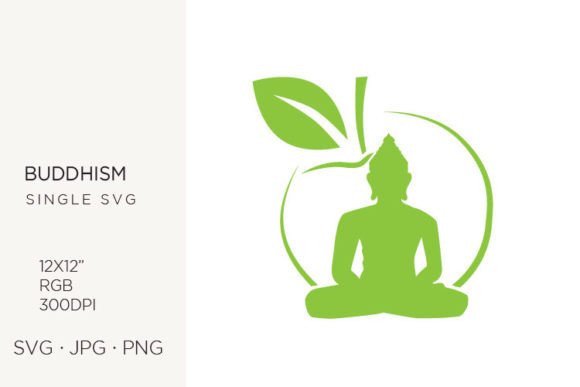
Apple Fruit Buddha immediately evokes a sense of calm and whimsy. The design features a stylized apple with a serene, Buddha-like face, blending nature with spirituality in a way that feels both playful and meaningful. The layout is clean, with a balanced composition that allows for easy placement on various items without feeling cluttered.
The detail level is moderate—enough to be visually engaging but not so intricate that it becomes overwhelming or difficult to stitch. This makes it ideal for beginners and experienced designers alike, as it offers room for creative interpretation while still maintaining a clear visual identity.
It fits naturally into projects that aim to convey a sense of mindfulness, simplicity, or natural beauty. Think of it as a perfect addition to a yoga-themed tote bag, a meditation-related pillow, or a personalized gift for someone who appreciates subtle symbolism.
Real-Life Embroidery Performance
When considering Apple Fruit Buddha for real-life embroidery, the first thing to note is its versatility. It works well on custom apparel, from sweatshirts to t-shirts, and can be adapted for baby clothes, patches, and even aprons. Its size and shape make it suitable for medium-sized hoop setups, which is a practical consideration for most home embroiderers.
On a tote bag design, for example, it adds a touch of personality without overpowering the fabric. On a sweatshirt, it provides a subtle yet noticeable detail that can elevate the overall look. For baby items, its gentle lines and soft theme make it a safe and appealing choice.
One of the strengths of Apple Fruit Buddha is its adaptability. Whether you're creating a holiday gift, a boutique product, or a small shop merchandise item, this design can be a valuable asset in your collection of design assets.
Where to Be Careful
While Apple Fruit Buddha is generally user-friendly, there are a few areas where caution is advised. For instance, if you’re working with small hoop sizes, you may find that the design doesn’t fit comfortably, requiring some scaling or repositioning. This can affect the final appearance, especially if the proportions are altered too much.
On textured fabrics or thin, stretchy materials, the design might not hold up as well. Stabilizer becomes crucial here to prevent distortion or puckering. Similarly, on dark fabrics, the color contrast may need adjustment depending on the thread colors you choose.
If you're planning to use Apple Fruit Buddha on curved surfaces like caps or on products that require frequent washing, it’s wise to test the design on scrap fabric first. The stitch density and type (such as satin stitch or fill stitch) will impact how well it holds up over time.
Impact on Visual Appeal and Customer Trust
Apple Fruit Buddha has the potential to significantly enhance the visual appeal of an embroidered product. Its clean lines and thoughtful design contribute to a professional finish that can help build customer trust. When customers see a well-executed embroidery project, they’re more likely to perceive it as high-quality and worth the investment.
This design also supports handmade presentation and brand consistency. If you're an Etsy seller or a craft business owner, having a design like Apple Fruit Buddha in your portfolio can help differentiate your offerings and attract a niche audience looking for meaningful, artistic pieces.
For personalized gifts, Apple Fruit Buddha adds a unique touch that can make a product feel more special. It’s also highly recognizable, which can increase the likelihood of repeat purchases and word-of-mouth referrals.
Practical Designer Notes
Before using Apple Fruit Buddha in your next embroidery project, take the time to test it on scrap fabric. This will help you understand how the design translates in real-world conditions. Check the thread color contrast to ensure it stands out against your chosen fabric, and review the stitch density to avoid issues with fabric distortion or excessive thread usage.
Confirm the hoop size required for the design, and inspect small details to ensure they remain intact after stitching. Test it in black and white mockups to see how it looks without color, and compare it on light and dark fabric backgrounds to determine the best application.
Use the proper stabilizer for your fabric type, and make sure the design works for both personal and commercial projects. Always confirm the licensing terms before selling finished items or digital products, as this can vary between different design sources.
Final Thoughts
Apple Fruit Buddha is a design that balances creativity with practicality. It’s a great choice for embroidery projects that aim to convey a sense of peace, nature, or mindfulness. Whether you're an experienced designer or just starting out, this design offers a solid foundation for a variety of applications.
By approaching it with care and attention to detail, you can turn Apple Fruit Buddha into a standout piece that resonates with your audience and enhances your craft business. Just remember: the success of any embroidery project starts with a thoughtful evaluation of the design itself.